Thresholds have always held a peculiar power in human consciousness, marking the invisible boundaries between what was and what will be. These in-between spaces exist everywhere—in doorways, courtyards, bridges, and transitional moments—inviting us to pause and recognize the shift happening beneath our feet.

Throughout history, cultures worldwide have recognized liminal spaces as possessing unique spiritual, psychological, and architectural significance. From ancient temple entrances to modern vestibules, these transitional zones shape our experience of space and time in profound ways that we’re only beginning to understand.
🚪 Understanding the Essence of Liminal Spaces
The term “liminal” derives from the Latin word “limen,” meaning threshold. Anthropologist Arnold van Gennep first introduced this concept in 1909, describing the transitional phase in rituals where participants occupy a space between their previous status and their new one. This betwixt-and-between state creates a unique psychological and spatial experience.
Liminal spaces exist physically as architectural elements—hallways, staircases, lobbies, and porches—but they also manifest temporally. Dawn and dusk, New Year’s Eve, graduation ceremonies, and even airport terminals all represent moments or places where normal rules seem suspended. We’re no longer in the old state but haven’t quite arrived at the new one.
This suspension creates an almost magical quality. Think about the strange feeling of being in an empty parking garage or a deserted shopping mall after hours. These spaces designed for crowds feel uncanny when emptied of their usual purpose, revealing their liminal nature.
The Sacred Architecture of Gateways 🏛️
Ancient civilizations understood threshold power intuitively. Japanese torii gates mark the transition from mundane to sacred space, standing before Shinto shrines as visual declarations that you’re entering a different realm. These vermillion structures require no walls or doors—their mere presence signals transformation.
Similarly, Gothic cathedrals employed elaborate portal designs featuring multiple receding arches that drew visitors progressively deeper into sacred space. The journey from street to sanctuary involved passing through several architectural thresholds, each preparing the visitor psychologically for the divine encounter ahead.
Types of Sacred Thresholds Across Cultures
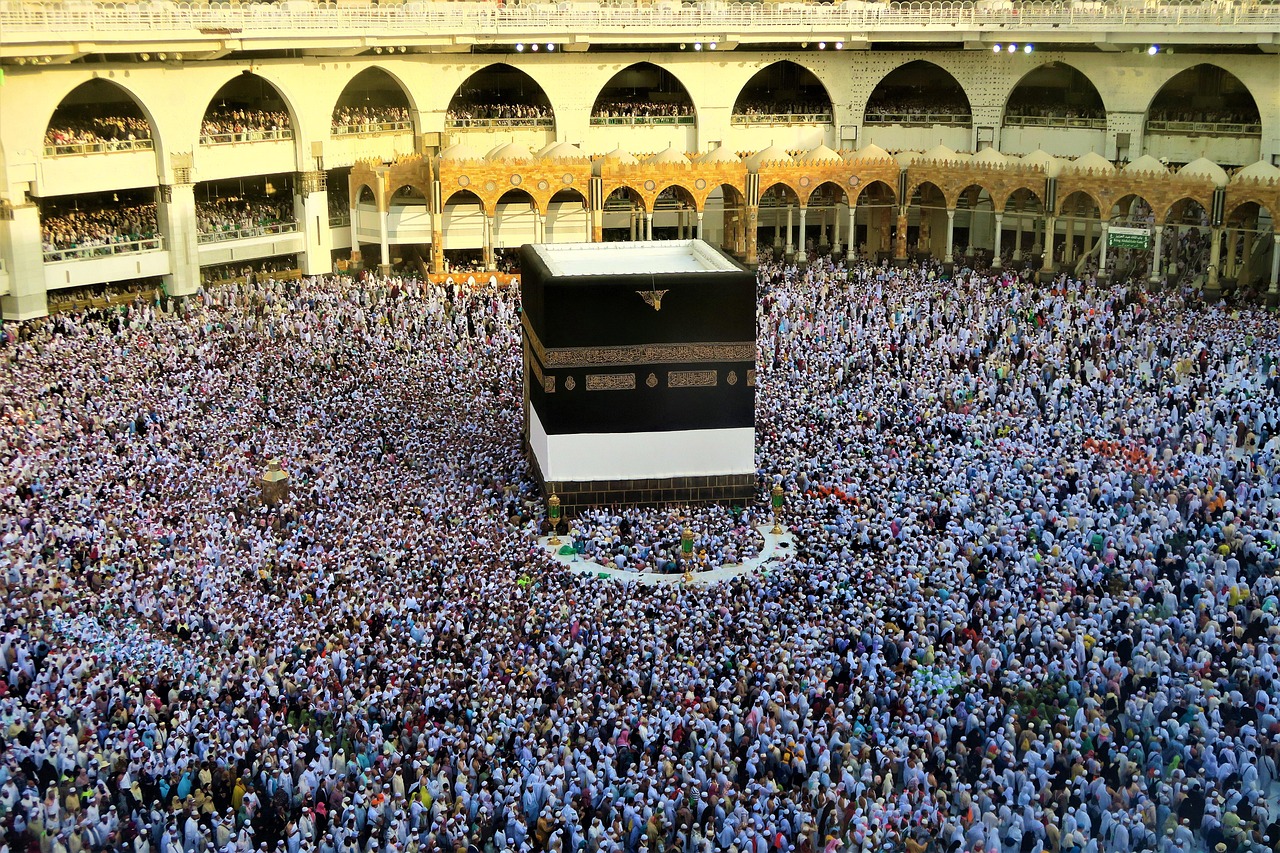
Islamic architecture features intricate entrance sequences with multiple courtyards creating progressive privacy levels. The public exterior gradually transitions through semi-public spaces before reaching intimate private areas. This architectural language speaks volumes about boundaries, respect, and transformation.
Hindu temples incorporate pradakshina paths—circumambulatory corridors where devotees walk clockwise around the sanctum. This circular threshold extends the liminal experience, creating a meditative transition zone where worldly concerns gradually fall away before encountering the deity.
Courtyards: The Heart of Liminal Architecture
Courtyards represent perhaps the most sophisticated architectural expression of liminal space. Neither fully interior nor exterior, these open-air rooms have served as transitional zones for millennia across Mediterranean, Middle Eastern, Asian, and Latin American cultures.
The traditional Roman domus placed the atrium at its heart—a partially covered courtyard where rainwater collected in a central pool. This space welcomed guests while maintaining household privacy, serving as a buffer between public street and private domestic life. The courtyard’s ambiguous nature made it perfect for receiving visitors, conducting business, and marking social boundaries.
The Psychological Impact of Courtyard Design
Modern psychology confirms what ancient builders knew instinctively: courtyards affect human behavior and emotion. These spaces provide refuge without confinement, openness without exposure. Research shows that access to courtyard views reduces stress, improves focus, and enhances social connection among building occupants.
Spanish colonial architecture perfected the courtyard sequence with buildings organized around multiple patios of decreasing publicity. Visitors passed through the zaguan (entrance passage), encountered the public courtyard, then perhaps glimpsed more private garden courts beyond. Each threshold reinforced social hierarchy while creating beautiful transitional experiences.
🌉 Bridges as Metaphysical Thresholds
Bridges embody liminality in its purest form—suspended structures connecting two separate realms across voids that would otherwise remain unbridgeable. Every bridge crossing involves temporary suspension between departure and arrival, making bridges natural locations for reflection, decision-making, and ritual.
Folklore worldwide treats bridges as mystical locations where supernatural encounters occur. Trolls guard bridges in Scandinavian tales; Chinese legend tells of lovers meeting on bridges between heaven and earth; and countless cultures associate bridges with passage between life and death.
Urban Bridges as Social Thresholds
Modern cities use bridges as both practical infrastructure and symbolic markers. London’s Tower Bridge signifies arrival; San Francisco’s Golden Gate Bridge represents westward journey’s end; Brooklyn Bridge embodied New York’s transformation into a modern metropolis. These structures transcend mere engineering to become identity markers and liminal icons.
Pedestrian bridges create particularly interesting liminal experiences. Elevated above street level, walkers occupy a unique vantage point—no longer grounded but not yet arrived, observing urban life from an in-between perspective that shifts perception and sometimes reveals unexpected beauty in ordinary scenes.
The Liminality of Modern Spaces ✈️
Contemporary society has created new categories of liminal space that ancient peoples never imagined. Airports exemplify modern liminality—thousands of people occupying neutral territory, temporarily belonging nowhere, existing in regulated suspension between departure and destination.
The anthropologist Marc Augé coined the term “non-places” for these spaces of transience: airports, hotels, highways, shopping malls. Unlike traditional places rich with history and identity, non-places facilitate passage and consumption rather than dwelling. Yet this very placelessness creates their liminal power.
Digital Thresholds and Virtual Liminality
Technology has introduced entirely new threshold experiences. The moment between clicking a link and page loading creates micro-liminality. Video calls position us in strange in-between space—present yet absent, here but also there. Social media platforms function as perpetual thresholds where we perform identity while remaining somewhat removed from direct encounter.
Virtual reality pushes this further, creating artificial liminal experiences where users literally stand between physical and digital worlds. The VR headset itself becomes a threshold device, marking the boundary between actual and virtual reality while facilitating passage between them.
Temporal Thresholds: Liminal Moments in Time ⏰
Not all thresholds occupy physical space—many exist in time. New Year’s Eve represents perhaps the most universally recognized temporal threshold, when humanity collectively acknowledges standing between past and future. The midnight moment crystallizes pure liminality as one year dies and another begins.
Life transitions create prolonged liminal periods: adolescence stretches between childhood and adulthood; engagement exists between single and married; retirement marks the threshold from career to new life chapter. These periods feel uncertain precisely because we occupy in-between status without clear identity in either former or future state.
Ritual and Ceremony as Threshold Management
Cultures develop rituals to manage temporal thresholds, providing structure for otherwise disorienting transitions. Weddings don’t just celebrate marriage—they facilitate the identity shift from individual to couple. Graduation ceremonies mark educational completion while launching graduates toward new beginnings. Funerals help mourners navigate the threshold between life with and without the deceased.
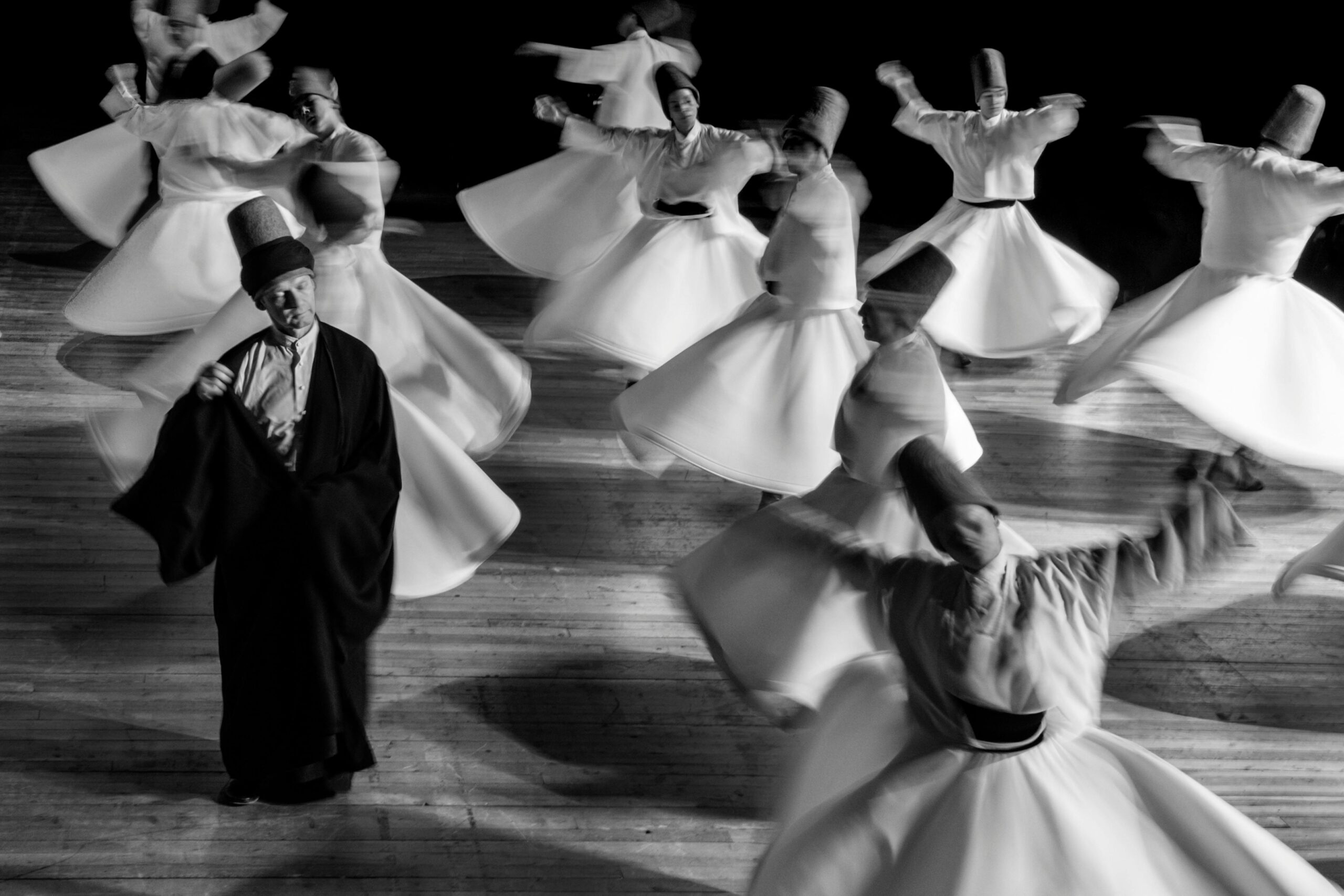
These rituals typically feature three phases: separation from the old state, liminal transition, and incorporation into the new status. The middle phase—van Gennep’s liminal stage—holds special power because normal social structures temporarily dissolve, creating space for transformation.
🎨 Liminal Aesthetics in Art and Literature
Artists have long explored threshold spaces and liminal moments. Edward Hopper’s paintings frequently depict people in waiting rooms, hotel lobbies, and train stations—figures suspended in transitional spaces, isolated despite proximity to others. His work captures the psychological dimension of physical liminality.
Gothic literature obsesses over thresholds: vampire invitation requirements, haunted doorways, mirrors as portals, and midnight as the witching hour. Horror understands that thresholds represent vulnerability—moments when boundaries weaken and unwanted things might cross over.
Photography and the Liminal Gaze
Recent internet aesthetics celebrate liminal space through photography of empty malls, fluorescent-lit hallways, and abandoned playgrounds. These images trigger strange nostalgia and unease, revealing how spaces designed for activity feel wrong when emptied of purpose. The photos expose the liminal infrastructure usually hidden beneath functional use.
This aesthetic responds to something genuine in contemporary experience—our increasing time spent in non-places and transitional spaces. By highlighting these backgrounds, liminal space photography makes visible the invisible scaffolding of modern mobility.
Designing Effective Threshold Experiences
Architects and designers can intentionally create meaningful liminal spaces rather than leaving thresholds as afterthoughts. Japanese architecture excels at threshold design through genkan (entrance areas) where shoes are removed, marking clear transition from outside to inside while creating a buffer zone for adjustment.
Effective threshold design considers multiple factors:
- Scale and proportion that signal importance and slow movement
- Lighting changes that mark passage between zones
- Material transitions underfoot that register physically
- Visual framing that creates anticipation for what lies beyond
- Acoustic shifts that reinforce spatial change
Residential Threshold Design Principles
Even modest homes benefit from thoughtful threshold design. A proper entrance sequence—perhaps a gate, short path, porch, and foyer—creates psychological decompression between public street and private home. This transition helps residents shed work stress before entering domestic space and provides guests gradual introduction to household character.
Interior thresholds matter too. Doorways between rooms can be emphasized through trim, level changes, or ceiling height variations. These details acknowledge that moving between spaces involves subtle psychological shifts worth marking architecturally.
🌍 Cultural Variations in Threshold Understanding
Different cultures interpret and design thresholds according to distinct worldviews. Western tradition often treats thresholds as simple dividing lines—sharp distinctions between inside/outside, public/private, sacred/profane. Many Eastern philosophies embrace more gradual, ambiguous transitions reflecting different concepts of boundaries and change.
Indigenous cultures often recognize places in landscape as natural thresholds: caves, mountain passes, river crossings, forest edges. These locations hold spiritual significance as points where different realms intersect, requiring respect, ritual, or caution when crossing.
Threshold Rituals and Superstitions
Threshold superstitions reveal cultural anxieties about liminal vulnerability. Carrying brides over thresholds, placing horseshoes above doors, avoiding walking under ladders, and countless other traditions acknowledge that boundaries require protection or proper navigation. These customs treat thresholds as potentially dangerous zones requiring ritual management.
Many cultures prohibit certain threshold behaviors: don’t greet across thresholds in Russian tradition; Japanese customs discourage standing too long in doorways; various cultures forbid sweeping dust out doors lest prosperity escape. These rules reflect deep understanding that thresholds aren’t neutral—they’re charged spaces where important things happen.
The Psychology of Liminal Experience 🧠
Psychological research confirms that liminal experiences affect consciousness in measurable ways. Threshold moments trigger heightened awareness and memory formation—we remember arrivals, departures, and significant crossings more vividly than routine moments. This explains why entrance experiences disproportionately influence overall impressions of places.
Liminal states can also produce creativity and insight. When normal structures and categories temporarily dissolve, new combinations and perspectives become possible. Artists, writers, and innovators often describe breakthrough moments occurring during transitions—while traveling, between sleep and waking, or during life changes.
Liminal Anxiety and Opportunity
The uncertainty of liminal states produces both anxiety and opportunity. Without clear status or identity, we feel vulnerable and disoriented. Yet this same openness allows transformation impossible within rigid structures. Growth requires liminal phases where old patterns dissolve before new ones crystallize.
Understanding liminality’s dual nature helps navigate difficult transitions. The discomfort of changing careers, relocating, or transforming relationships signals normal liminal experience rather than failure. These in-between periods, though challenging, enable the very changes we seek.
Reclaiming Threshold Awareness in Modern Life
Contemporary life often rushes through thresholds without acknowledgment. We dash from car to building, skip between browser tabs, and multitask through moments that deserve full attention. This threshold blindness costs us opportunities for presence, reflection, and intentional transition between life domains.
Reclaiming threshold awareness starts with simple practices: pausing at doorways, noticing transitions, creating small rituals that mark shifts between activities. Taking three breaths before entering home after work, changing clothes to signal work-to-leisure transition, or lighting candles for dinner can transform unconscious rushing into conscious threshold crossing.
Creating Personal Liminal Practices ✨
Individuals can design personal liminal practices suited to their needs and beliefs. Morning routines function as daily thresholds between sleep and activity. Evening wind-down rituals facilitate the reverse transition. Weekend mornings offer weekly thresholds worthy of special treatment marking the shift from work-time to free-time.
Physical spaces can support threshold awareness through intentional design. A reading chair positioned near a window creates a liminal zone between inner mental world and outer physical reality. Garden seating areas nestled between open lawn and sheltered plantings occupy edges that feel simultaneously exposed and protected.
The Future of Liminal Space Design
As our world grows increasingly connected and rapid, thoughtful liminal space design becomes more crucial. Architecture and urban planning that acknowledge human need for transition, reflection, and gradual change supports mental health and social cohesion in ways that abrupt, efficiency-focused design cannot.
Future cities might prioritize liminal zones—parks, plazas, covered walkways, and threshold spaces that allow pause, encounter, and transition. Rather than maximizing every square meter for production or consumption, wise design provides breathing room where nothing particular must happen, where people exist temporarily in valuable in-between states.
Technology will continue creating new threshold experiences requiring conscious navigation. Virtual and augmented reality, brain-computer interfaces, and other emerging technologies will generate novel liminal states demanding new awareness and rituals. Understanding threshold principles helps us design these transitions intentionally rather than accepting whatever emerges accidentally.

Embracing the Power of In-Between
Thresholds and liminal spaces deserve recognition as essential elements of human experience rather than mere connectors between “real” places. These in-between zones and moments provide necessary pauses, facilitate transformation, and create opportunities for presence unavailable in settled states.
By developing threshold awareness—noticing doorways, honoring transitions, designing intentional passages, and respecting the power of in-between states—we enrich daily life with meaning and mindfulness. The mystery of thresholds isn’t ultimately about supernatural forces but about the very real psychological and spiritual shifts that occur when we move between worlds, whether those worlds are rooms, relationships, life stages, or states of consciousness.
The gateway stands before us in countless forms, asking only that we recognize its presence and cross with awareness. In that recognition and conscious passage lies unexpected beauty, meaning, and transformation available nowhere else but in the threshold itself.