Ritual performance design is an ancient yet evolving art form that bridges the sacred and the sensory, creating transformative experiences through intentional structure and flow.

When we enter a carefully designed ritual space, something profound happens within us. The ambient sounds, the movement of our bodies, the play of light and shadow—all these elements conspire to shift our consciousness and open pathways to deeper understanding. This is not accidental; it is the result of masterful ritual performance design that honors both tradition and the human sensory experience.
🎭 The Foundation of Ritual Performance Design
Ritual performance design represents the intersection of anthropology, theater, architecture, and psychology. It encompasses the deliberate orchestration of space, sound, movement, and sensory stimuli to create meaningful ceremonial experiences. Whether designing a wedding ceremony, a spiritual gathering, a corporate event with ceremonial elements, or a theatrical production, the principles remain consistent: intentionality, coherence, and respect for the transformative potential of ritual.
The modern practitioner of ritual design must understand that we are working with ancient human needs in contemporary contexts. Our ancestors gathered around fires, moved in synchronized patterns, and used sound to mark significant transitions. These fundamental impulses remain encoded in our collective memory, waiting to be awakened through skillful design.
The Acoustic Dimension: Sound as Sacred Architecture
Acoustics form the invisible architecture of ritual space. Sound waves physically move through bodies, creating vibration that resonates at cellular levels. When we design ritual performances, we must consider acoustics not as mere background ambiance but as a primary structural element.
Understanding Acoustic Layers in Ritual Context
Effective ritual acoustics typically involve multiple layers working in harmony. The foundational layer might include environmental sounds—wind, water, or the natural resonance of a space. The middle layer often consists of instrumental or vocal drones that provide continuity and grounding. The foreground layer features more dynamic elements: chanting, spoken words, percussion, or melodic instruments that guide attention and emotional flow.
Consider the acoustic design of a traditional cathedral. The long reverberation time creates a sense of timelessness and grandeur, making even simple speech sound sacred. The designers of these spaces understood that extended acoustic decay would blend consecutive sounds, creating a sonic wash that supports contemplation. Modern ritual designers can apply these principles in diverse settings, using both natural acoustics and technological enhancement.
Frequency and Emotional Resonance 🎵
Different sound frequencies create distinct psychological and physiological responses. Lower frequencies (below 100 Hz) tend to create feelings of power, mystery, and groundedness. They physically resonate in the chest and belly, connecting participants to their bodies. Middle frequencies carry most speech and melodic content, engaging cognitive and emotional processing. Higher frequencies create brightness, spaciousness, and can evoke transcendence or alert awareness.
Strategic use of these frequency ranges allows the ritual designer to guide participants through emotional landscapes. A ritual beginning might employ middle and higher frequencies to create alertness and presence. The central transformative phase might introduce deep, sustained low frequencies that induce trance states or profound emotional release. The closing might gradually brighten the sonic palette, returning participants to ordinary consciousness with a sense of renewal.
Scale: The Geometry of Sacred Experience
Scale in ritual design refers to the proportional relationships between participants, space, objects, and gestures. Manipulating scale creates psychological and emotional effects that can amplify ritual power or create intimate connection.
Architectural Scale and Human Proportion
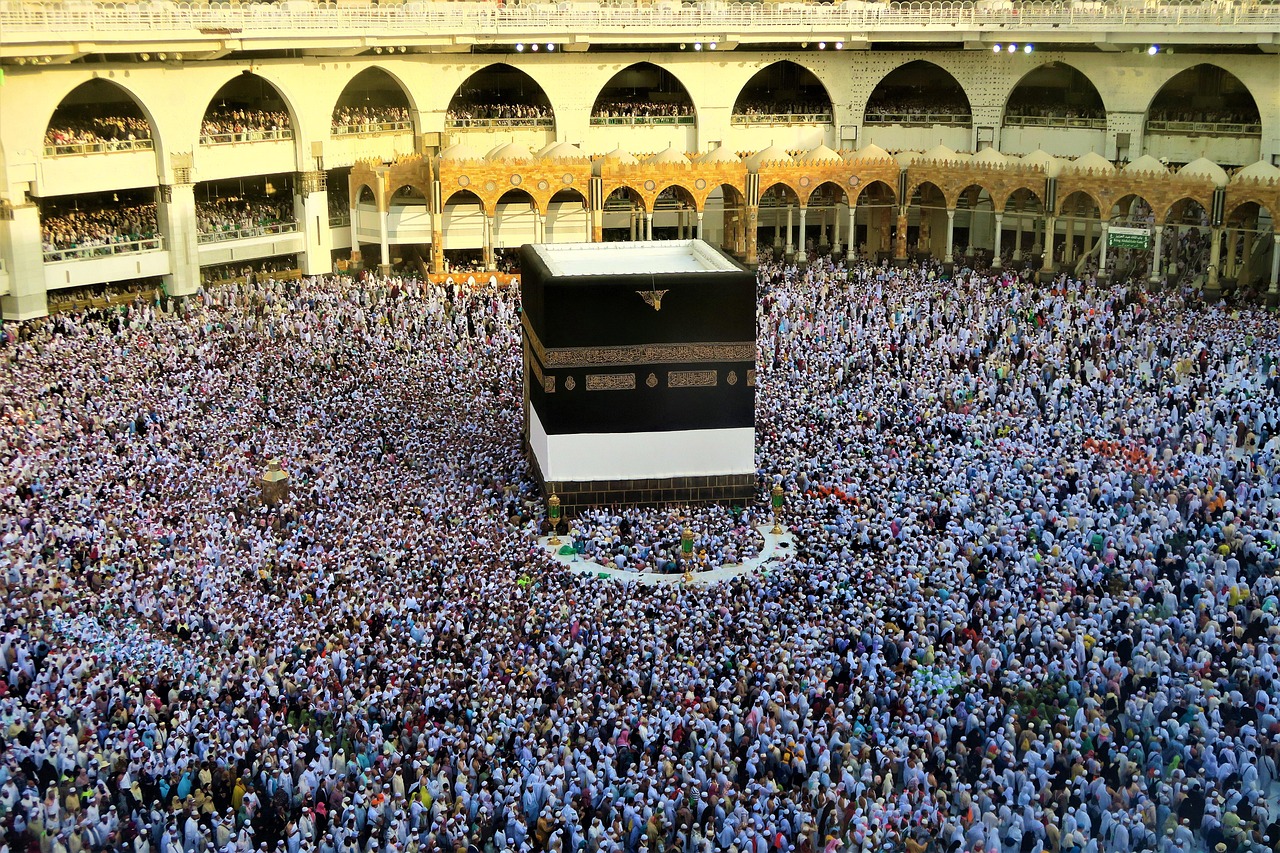
When participants enter a space that dwarfs human scale—a vast cathedral, an outdoor amphitheater, or beneath an ancient tree—they experience a diminishment of individual ego and an expansion of perspective. This scale creates awe, reminding participants of forces and mysteries larger than themselves. Conversely, intimate spaces scaled to human dimensions foster connection, vulnerability, and personal transformation.
The skilled ritual designer consciously chooses scale based on intention. A ritual designed to build community might use moderate scale that allows participants to see each other clearly, recognizing their interconnection. A ritual focused on personal spiritual awakening might employ grand scale to trigger ego transcendence, or intimate scale to facilitate deep introspection.
Gestural Scale and Symbolic Amplification
The scale of movement and gesture also carries profound meaning. Small, contained gestures create intimacy and focus attention on subtle detail. Large, expansive movements generate energy, excitement, and a sense of liberation. The transition between different gestural scales creates dynamic interest and can symbolize internal transformation.
Consider a ritual sequence that begins with participants making small, precise hand mudras, gradually expanding into full-body movements, and culminating in large, sweeping gestures that claim space. This progression mirrors an internal journey from introspection to self-expression to empowered presence in the world.
Movement: The Language of Transformation ✨
Movement is perhaps the most direct tool for shifting consciousness in ritual contexts. Our bodies hold memory, emotion, and conditioned patterns. Through intentional movement, we can access these layers, release what no longer serves, and embody new possibilities.
Choreographic Principles for Ritual Design
Unlike performance dance designed primarily for audience viewing, ritual movement serves the participants themselves. The designer must consider accessibility, meaning-making, and the somatic experience of movers rather than external aesthetics.
Repetition is fundamental to ritual movement. Repeated patterns induce trance states, build energy, and create predictability that allows participants to surrender conscious control. The number of repetitions matters—three repetitions establish a pattern, seven deepens it, and higher numbers create profound altered states.
Directionality carries symbolic weight across cultures. Clockwise movement often represents solar energy, active engagement, and building power. Counterclockwise movement connects to lunar energy, receptivity, and releasing. Movement toward the center creates focus and gathering, while movement outward expresses expansion and dispersal.
Synchrony and Individual Expression
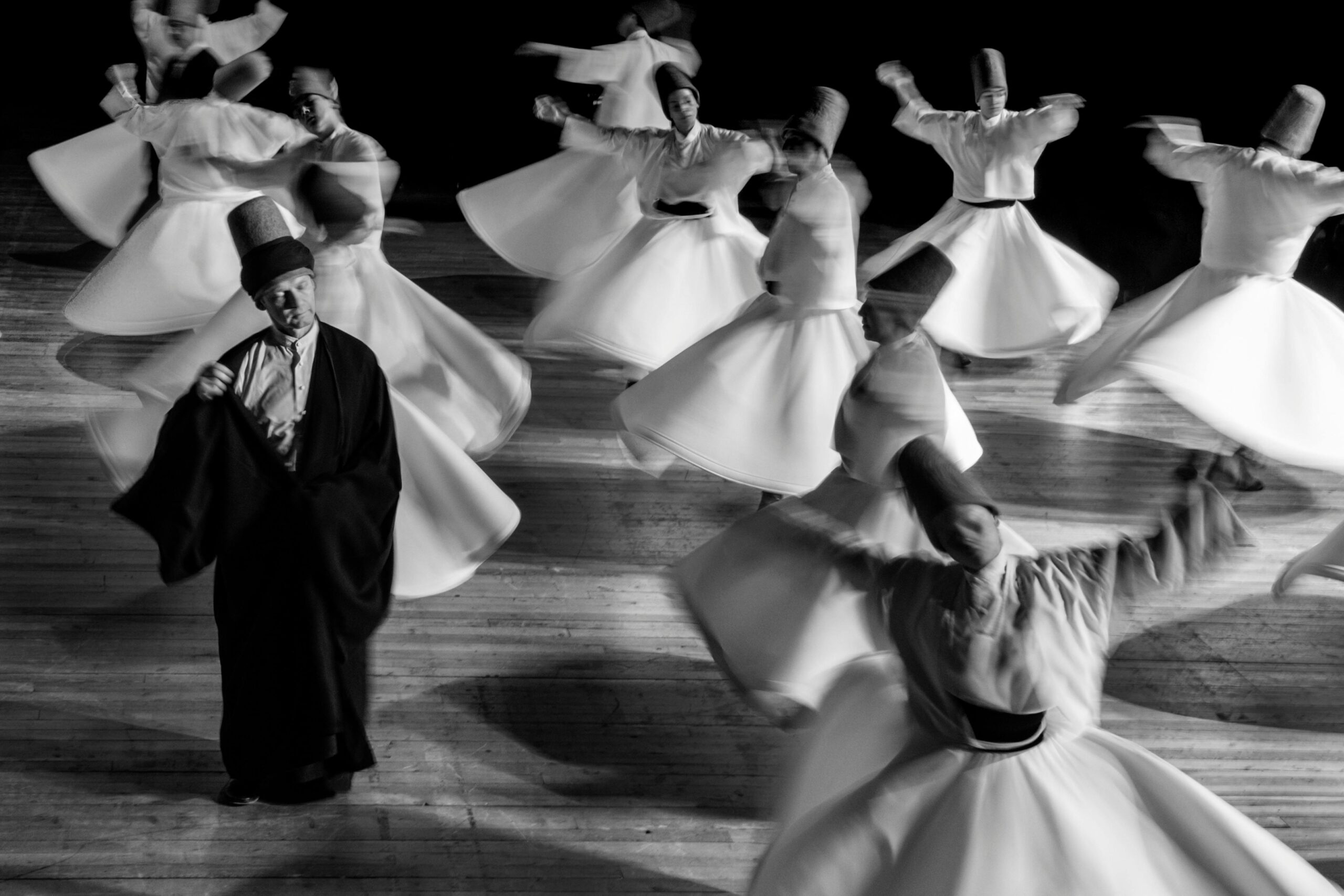
One of the most powerful choices in ritual movement design is the balance between synchronized group movement and individual expression. When groups move together in unison, a collective consciousness emerges. Boundaries between self and other soften. The experience of belonging intensifies.
However, periods of individual movement within shared space honor personal experience and allow for authentic expression. The most sophisticated ritual designs create structures that hold both—perhaps beginning with synchronized movement to build group coherence, opening to individual exploration during the transformative core, and returning to synchronized movement for integration and closure.
Sensory Flow: Orchestrating the Complete Experience
While acoustics, scale, and movement are primary elements, truly masterful ritual design considers the full sensory spectrum: sight, sound, smell, taste, and touch, as well as proprioception and the sense of time.
Visual Design and Symbolic Imagery 🔥
Visual elements in ritual serve both aesthetic and symbolic functions. Color psychology plays a significant role—reds and oranges stimulate energy and passion, blues and greens calm and center, purples suggest mystery and spirituality, whites connote purity and new beginnings.
Lighting creates mood and directs attention. Dim, warm lighting facilitates introspection and vulnerability. Bright, cool lighting promotes alertness and clarity. Dynamic lighting that shifts throughout the ritual can guide participants through emotional and psychological transitions without a single word being spoken.
Symbolic objects and imagery activate archetypal layers of consciousness. Crosses, mandalas, spirals, natural elements like stones or feathers—these carry meaning that transcends language. The placement and revelation of symbolic objects throughout ritual progression creates narrative and meaning.
Olfactory and Gustatory Elements
Scent has a unique power to trigger memory and emotion because the olfactory system connects directly to the limbic brain. Burning sage, palo santo, frankincense, or other aromatics creates an immediate sensory marker that this time and space are different from ordinary experience.
The inclusion of taste—sharing wine, bread, honey, or other foods—grounds ritual in bodily experience and creates communion. The act of eating together is one of humanity’s oldest bonding rituals, and its inclusion in designed ceremonies taps into deep social instincts.
Temporal Flow and Rhythm
Perhaps the most subtle but crucial aspect of ritual design is the manipulation of time perception. Rituals exist outside ordinary time; they create what anthropologist Victor Turner called “liminal time”—a threshold space between what was and what will be.
The ritual designer creates this temporal shift through pacing. A slow, deliberate opening phase signals to participants that different rules apply here. The use of silence, extended transitions, and purposeful pauses all stretch time, creating spaciousness for transformation. Conversely, accelerating rhythm through drumming, chanting, or movement speeds time perception and can induce ecstatic states.
Integrating Elements: Creating Coherent Ritual Experiences
The true art of ritual performance design lies not in mastering individual elements but in weaving them into coherent, purposeful wholes. Every choice must serve the ritual’s intention and support the participant’s journey.
Establishing Clear Intention
Before designing any ritual element, clarity about purpose is essential. Is this ritual about celebration, grief, transition, healing, community building, or spiritual connection? Each purpose calls for different sensory orchestrations.
A grief ritual might employ somber acoustics with long, mournful tones, slow movement emphasizing descent and release, and visual elements in blacks and deep blues. A celebration ritual might feature bright, rhythmic sounds, expansive movements, and vibrant colors. The coherence between intention and design elements creates authenticity that participants sense instinctively.
The Arc of Transformation
Effective rituals follow a recognizable arc, similar to dramatic structure. The opening phase separates participants from ordinary consciousness, using threshold markers like crossing into sacred space, ritual bathing, or donning ceremonial clothing. Acoustic, movement, and sensory cues signal that transformation is possible here.
The middle phase represents the liminal space where actual transformation occurs. This is often the longest section, characterized by intensification of sensory input, repetitive movement or sound, and breakdown of ordinary cognitive patterns. Participants may experience strong emotions, insights, or altered states.
The closing phase facilitates return to ordinary consciousness while integrating what has been experienced. Movement typically becomes calmer, sounds softer, and participants are guided to ground their experience in their bodies and commit to carrying insights forward.
Practical Application: Designing Your First Ritual Performance
Understanding principles is one thing; applying them is another. Here is a practical framework for designing ritual performances that honor these elements.
Assessment and Planning
Begin by assessing your context: Who are the participants? What is the setting? What resources are available? What is the core intention? Consider participants’ physical abilities, cultural backgrounds, and openness to various ritual forms.
Map the physical space, noting acoustic properties, size, lighting possibilities, and how movement can flow. Identify what sensory elements are available or need to be brought in.
Building the Sensory Score
Create what theater practitioners call a “score”—a timeline that maps every sensory element throughout the ritual. This might look like a chart with time increments down the left side and columns for sound, movement, visual elements, and other sensory input.
Plan how elements layer and transition. Perhaps the ritual opens with silence and stillness, gradually introducing soft droning sounds while participants begin gentle swaying. Visual elements might be revealed progressively. Scent might be introduced at a key threshold moment.
Testing and Refinement 🎨
Before presenting a ritual to participants, test elements yourself or with a small group. Notice how acoustic choices feel in the actual space. Experiment with timing—does the opening phase need to be longer? Does the central section build intensity quickly enough?
Be willing to adjust based on feedback and observation. The most beautiful ritual designs remain flexible, able to respond to the actual energy and needs of participants rather than rigidly adhering to a predetermined plan.
Cultural Sensitivity and Appropriation Awareness
Ritual traditions belong to specific cultures and communities. As designers, we must navigate the tension between drawing on humanity’s rich ritual heritage and respecting cultural ownership and sacred traditions.
Avoid extracting sacred elements from closed traditions—ceremonies that belong to specific peoples who have not granted permission for outside use. Instead, focus on universal human experiences and create original forms inspired by cross-cultural principles rather than copying specific traditions.
When working within your own cultural heritage, honor traditions while allowing for evolution and contemporary expression. Ritual is living practice, not museum artifact, and traditions stay vital through thoughtful adaptation to current contexts.
Technology and Contemporary Ritual Design
Modern ritual designers have access to technological tools that expand creative possibilities. Sound systems allow precise acoustic control even in challenging spaces. Programmable lighting creates effects impossible with candles and firelight alone. Projection mapping can transform environments with symbolic imagery.
However, technology must serve the ritual rather than dominating it. The goal remains creating authentic human experience and connection. Technology works best when invisible or seamlessly integrated, supporting sensory flow without drawing attention to itself as spectacle.
The Designer’s Inner Work 🌟
Perhaps the most important aspect of mastering ritual performance design is the designer’s own inner development. Creating transformative experiences for others requires that we ourselves have experienced transformation, that we understand from the inside what various sensory orchestrations produce.
Engage in regular ritual participation, not just design. Experience diverse traditions and forms. Develop sensitivity to subtle energetic and emotional shifts. Cultivate presence, intuition, and the ability to hold space for others’ processes.
The ritual designer serves as a facilitator of others’ experiences rather than a performer or authority. This requires ego flexibility—the ability to create structures that then become containers for participants’ own authentic expressions and discoveries.
Embodied Practice Creates Mastery
Reading about ritual design principles provides intellectual understanding, but mastery comes only through embodied practice. Begin small—design a simple personal ritual for yourself, attending carefully to each sensory element. Notice what works and what feels hollow or forced.
Gradually expand, offering ritual experiences to small groups of willing participants. Gather feedback. Refine your sensitivity to how acoustic choices land in different spaces, how movement sequences feel in different bodies, how timing creates or disrupts flow.
Study exemplars across traditions and art forms. Attend ceremonies, theatrical performances, concerts, and immersive art installations. Analyze what makes certain experiences transformative while others fall flat. The ritual designer must be a perpetual student of human experience.
Through dedication to this multifaceted art, you will develop the capacity to create ritual performances that honor the sacred dimension of human existence, facilitate genuine transformation, and weave communities together through shared embodied experience. The world needs skilled ritual designers now more than ever—those who can create spaces where meaning, connection, and transformation become possible in our fragmented times.