Architecture is more than shelter—it is humanity’s dialogue with the divine, a physical manifestation of our deepest cosmological beliefs and origin narratives.

From the ziggurats of Mesopotamia to the soaring cathedrals of medieval Europe, buildings have served as three-dimensional texts, encoding creation myths, astronomical knowledge, and spiritual hierarchies into their very foundations. These structures don’t merely house rituals; they become the stories themselves, transforming abstract cosmologies into tangible experiences that transcend generations and cultures.
🏛️ The Temple as Universe: Ancient Architecture and Cosmic Order
Ancient civilizations understood their sacred buildings as microcosms—miniature replicas of the universe itself. The temple wasn’t simply a place to worship the cosmos; it was the cosmos brought down to earth, made walkable, touchable, and comprehensible through architectural form.
In ancient Egypt, temples represented the primordial mound that emerged from the waters of chaos at creation’s dawn. The gradual elevation of floor levels as one proceeded deeper into the sanctuary recreated this mythological geography. Columns carved as papyrus bundles and lotus flowers evoked the swamp vegetation of the original mound, while ceiling decorations featuring stars and celestial barques reminded worshippers that they stood at the intersection of earthly and heavenly realms.
The Hindu temple follows similar principles with even more elaborate cosmological encoding. The central tower, or shikhara, represents Mount Meru—the axis mundi connecting earth to the heavens. The temple’s square plan reflects the cosmic grid, while its progressive enclosures symbolize the journey from material reality to spiritual transcendence. Every proportion, every carved deity, every threshold carries meaning in this architectural translation of sacred texts.
Orientation and the Sacred Compass
The alignment of sacred architecture reveals how deeply creation stories influence design. Buildings become directional narratives, with their orientation encoding fundamental cosmological principles.
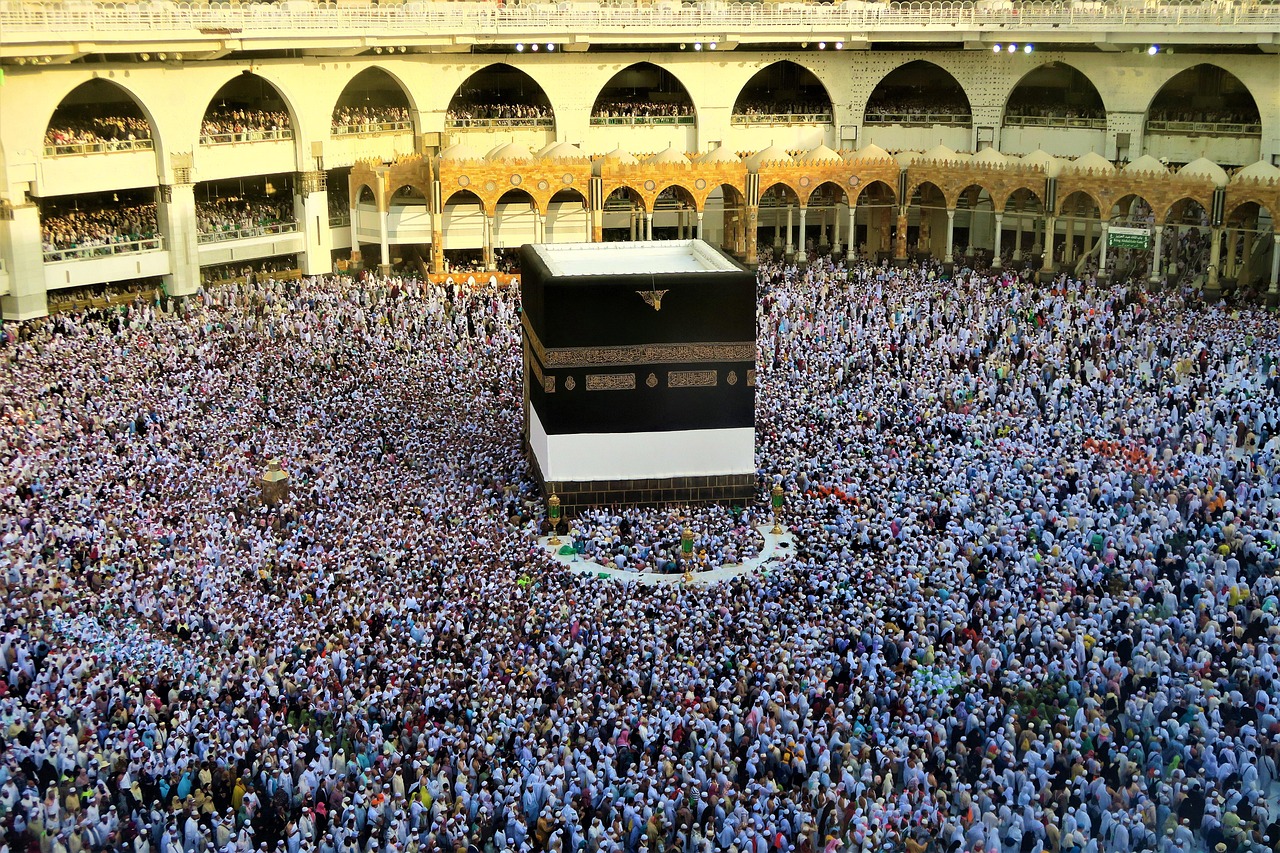
Egyptian temples faced the Nile, their axes aligned with solar and stellar events that marked creation time. Christian churches traditionally orient eastward toward the rising sun, symbolizing Christ’s resurrection and the promise of spiritual rebirth. Islamic mosques direct the faithful toward Mecca, creating a global geometry of prayer that maps spiritual geography onto physical space.
These orientations aren’t arbitrary aesthetic choices—they’re architectural embodiments of origin stories that explain how the world came into being and humanity’s proper relationship with cosmic forces.
🌟 Building the Mountain: Ziggurats, Pyramids, and Vertical Cosmology
Perhaps no architectural form more powerfully expresses creation mythology than the artificial mountain. Across cultures separated by oceans and millennia, humans have constructed monumental stepped structures that recreate the primordial mountain of creation.
Mesopotamian ziggurats were literally called “hills of heaven” or “mountains of the gods.” These massive stepped towers provided earthly foundations for heavenly temples, creating meeting points between divine and human realms. The ziggurat at Ur, dedicated to the moon god Nanna, rose in three stages painted black, red, and white—colors carrying cosmic significance in Sumerian cosmology.
Mesoamerican pyramids similarly functioned as cosmic mountains. The Pyramid of the Sun at Teotihuacan aligns with the setting sun on specific calendar dates significant to Aztec creation mythology. Its very construction—with four sloped sides and a flat summit—mirrors the indigenous conception of the universe with its four cardinal directions and central axis.
The Stairway Narrative
The stairs ascending these sacred mountains tell their own story—they’re physical manifestations of spiritual ascent, cosmological ladders connecting multiple levels of existence. Each step represents progression through cosmic layers described in creation narratives.
Climbing these stairs, ancient worshippers enacted the creation story with their own bodies, moving from the chaos of earthly existence toward the ordered realm of the gods. Architecture transformed abstract mythology into bodily experience, making creation stories not just told but physically traversed.
⭐ Gothic Cathedrals: Encoding Christian Cosmology in Stone and Light
Medieval European cathedrals represent perhaps the most sophisticated architectural translation of cosmological narratives in Western history. Every element—from floor plan to flying buttress—serves both structural and symbolic functions.
The cruciform plan recreates Christ’s body on the cross, with the altar positioned at the head, transepts forming the arms, and the nave extending as the body. But this also maps onto cosmic geography: the altar faces Jerusalem in the east (paradise, origin, resurrection), while the entrance faces west (darkness, sunset, the realm requiring salvation).
The vertical thrust of Gothic architecture embodies theological narratives about humanity’s relationship with the divine. Soaring vaults and spires literally point heavenward, creating architectural vectors of spiritual aspiration. The technical innovations that made this possible—pointed arches, ribbed vaults, flying buttresses—were pursued not merely for engineering elegance but to create spaces that embodied scripture’s light metaphors.
Light as Creation Medium
Perhaps no architectural element better demonstrates how Gothic design embodies creation narratives than stained glass. In Genesis, God’s first creative act is speaking light into existence: “Let there be light.” Gothic cathedrals transform this theological moment into continuous architectural performance.
Stained glass windows don’t simply illuminate—they transfigure ordinary sunlight into divine radiance. As colored light streams through biblical scenes rendered in glass, the creation story is simultaneously told through imagery and physically enacted through luminous transformation. The building itself becomes a cosmic filter, turning natural light into sacred presence.
🕌 Islamic Architecture: Geometry as Divine Order
Islamic architectural tradition approaches cosmological storytelling through abstraction and mathematical precision. Forbidden from depicting divine or human forms, Islamic designers developed architectural languages based on geometry, calligraphy, and pattern—creating spaces that suggest infinite divine presence through finite means.
The dome represents the celestial vault—the heavens made architectural. Whether in the Blue Mosque of Istanbul or the Dome of the Rock in Jerusalem, these hemispheres covered in intricate tilework or mosaics transform structural necessity into cosmological symbol. The mihrab, the prayer niche indicating Mecca’s direction, becomes an architectural threshold between material and spiritual realms.
Islamic geometric patterns encode profound theological concepts. Their infinite repeatability suggests divine eternity and omnipresence. Their mathematical precision reflects divine order underlying apparent chaos. Their interlocking complexity demonstrates unity in multiplicity—a visual theology of tawhid (divine oneness).
The Courtyard as Paradise
The traditional Islamic courtyard garden architecturally manifests Quranic descriptions of paradise. Divided into four quadrants by water channels (representing the four rivers of paradise), shaded by fruit trees, cooled by fountains, these spaces transform scriptural metaphor into lived experience.
The courtyard’s enclosure creates a microclimate—an oasis within the larger environment—that parallels paradise as spiritual oasis within material existence. Architecture doesn’t merely represent the creation story’s promised end; it provides a foretaste, a temporary dwelling in the garden from which humanity was exiled.
🏯 East Asian Temples: Harmony with Cosmic Principles
Buddhist and Taoist architectural traditions in East Asia developed distinctive approaches to embedding cosmological narratives in built form. Rather than imposing monumental geometry onto landscapes, these traditions emphasized harmony with natural topography and cosmic energy flows.
Chinese temples follow feng shui principles that understand buildings as participants in continuous energy exchanges between heaven, earth, and humanity. Placement, orientation, proportion, and decoration all serve to channel qi (life force) in ways that align human activity with cosmic patterns.
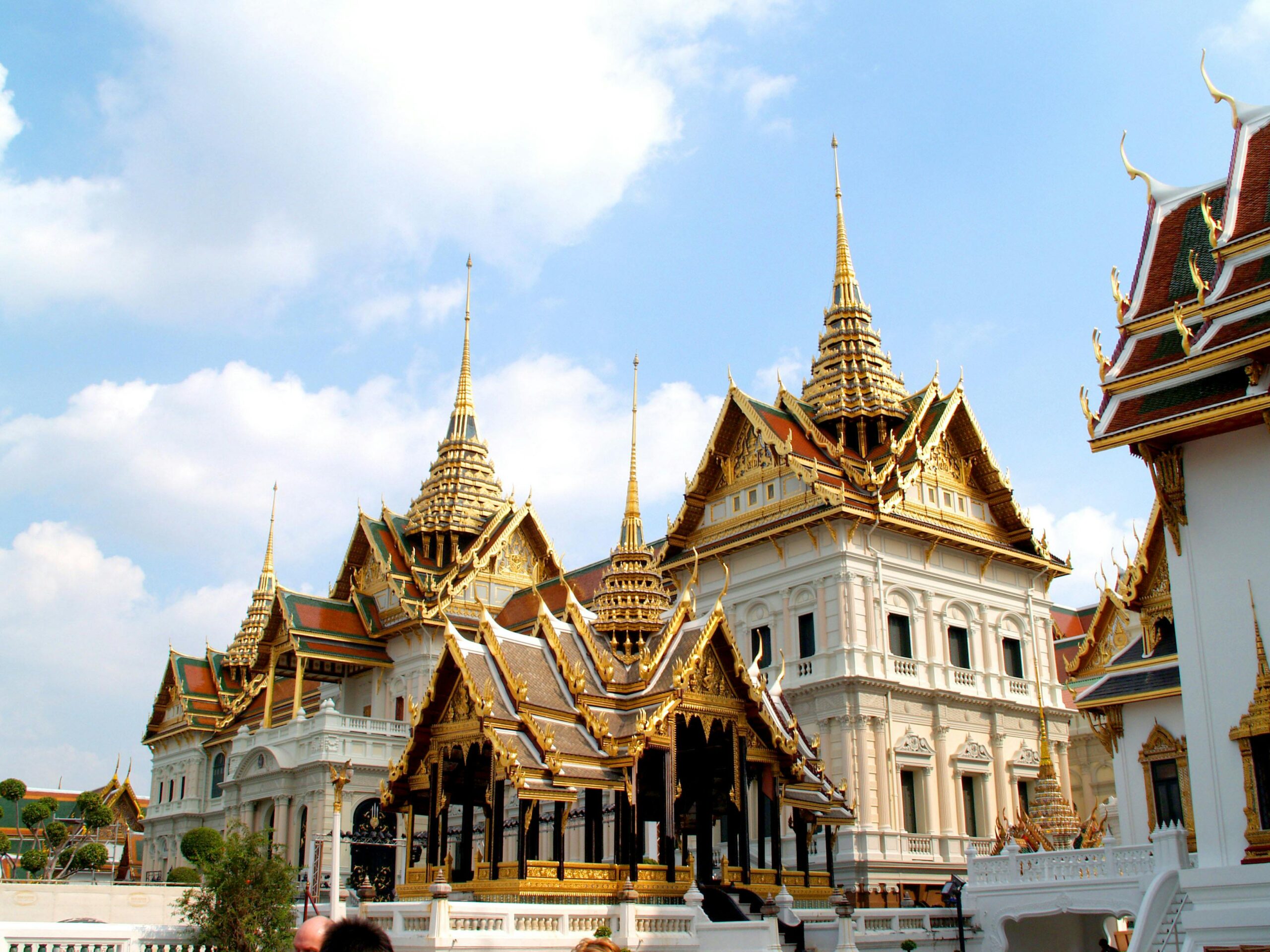
The pagoda—Buddhism’s distinctive tower form—originated as a reliquary structure but evolved into an architectural embodiment of Buddhist cosmology. Its multiple tiers represent levels of spiritual attainment, while its ascending form guides consciousness upward from material concerns toward enlightenment. The pagoda’s odd number of levels (typically five, seven, or nine) reflects cosmological numerology drawn from Buddhist texts.
The Garden as Cosmos in Miniature
Japanese temple gardens create contemplative landscapes that compress cosmic principles into confined spaces. These aren’t merely decorative additions but integral components of architectural cosmology—outdoor rooms where creation narratives play out in stone, water, and vegetation.
Zen rock gardens (karesansui) use raked gravel to suggest water and carefully placed stones to evoke mountains, creating abstract landscapes that reference Buddhist cosmology while encouraging meditation on emptiness and form. The viewing platform from which these gardens are contemplated becomes an architectural threshold—a liminal space between material world and spiritual insight.
🌄 Indigenous Architecture: Living Cosmologies
Indigenous architectural traditions worldwide demonstrate remarkably consistent principles: buildings as cosmological models, construction as ritual reenactment of creation, and dwelling as continuous participation in cosmic order.
The Navajo hogan provides a powerful example. Its circular form represents the cosmos, with the entrance always facing east to receive the dawn. The roof structure models the dome of heaven supported by four sacred mountains. Building a hogan involves ceremonial practices that recreate the First Hogan built by the Holy People, making each construction a repetition of primordial creative acts.
Similarly, the traditional longhouses of the Iroquois were understood as living entities—the central corridor as spine, the hearths as hearts, the entire structure as the body of Skywoman, the creative ancestor. Dwelling within these structures meant literally inhabiting the creation story.
Circular Time, Circular Architecture
Many indigenous cultures with cyclical rather than linear time concepts developed circular architectural forms that embody these cosmological understandings. The Plains tipi, the Mongolian yurt, and numerous other dwelling types create spaces without beginning or end—architectural expressions of eternal return and cosmic renewal.
These structures aren’t primitive precursors to “advanced” rectangular architecture but sophisticated translations of cosmological principles into inhabitable form. Their portability doesn’t diminish their cosmic significance; rather, it expresses belief systems that see sacred geography as relational rather than fixed.
🏛️ Modern Architecture: Secular Cosmologies in Steel and Glass
Contemporary architecture continues encoding cosmological narratives, though often in secularized forms. Modernism’s emphasis on light, transparency, and rational order expresses Enlightenment cosmologies that replaced divine creation with scientific understanding.
Le Corbusier’s pilgrimage chapel at Ronchamp demonstrates how modern architecture can still embody spiritual narratives. Its sculptural concrete forms and strategic light penetrations create spaces of contemplation that function cosmologically even when stripped of traditional religious iconography.
Contemporary museums often serve as secular temples—civic structures that embody cultural creation stories about progress, knowledge, and human achievement. The Guggenheim Museum’s spiral form suggests both nautilus shell and ascending consciousness, creating an architectural narrative about art’s elevating power.
Sustainable Design as New Creation Story
The sustainability movement in contemporary architecture represents perhaps our era’s most vital cosmological shift—from narratives of human dominion over nature to stories of integration and reciprocity. Green buildings, living walls, and biomimetic design embody emerging creation narratives that reposition humanity within rather than above natural systems.
Structures like Singapore’s Gardens by the Bay or Milan’s Bosco Verticale (Vertical Forest) don’t merely incorporate plants as decoration—they propose new cosmologies where architecture and ecology interweave, where buildings participate in rather than dominate natural cycles.

✨ The Eternal Return: Why Architecture Continues Shaping Our Stories
Architecture’s power to embody creation narratives hasn’t diminished in our supposedly secular age—it has merely transformed. We continue building cosmologies into our structures because humans fundamentally understand and remember through spatial experience.
When we enter a building designed with cosmological intention, we don’t just intellectually comprehend its symbolic program—we physically inhabit it. Our bodies move through narratives made three-dimensional. Our senses encounter stories translated into material, proportion, light, and shadow.
This embodied narrative is architecture’s unique contribution to cultural memory. Oral traditions can be forgotten, texts lost, but buildings persist. Even in ruins, they continue telling their cosmological stories, shaping how generations understand creation, divinity, and humanity’s place in the cosmos.
The relationship between architecture and creation narratives operates bidirectionally. Buildings embody existing cosmologies, but they also shape evolving understandings. A child growing up within Gothic cathedrals develops different spatial and spiritual intuitions than one raised among Buddhist temples or modernist glass towers. Architecture doesn’t just reflect worldviews—it constructs them, one building, one space, one embodied experience at a time.
As we face unprecedented global challenges—climate crisis, technological transformation, cultural fragmentation—the ancient practice of encoding cosmological narratives in architecture becomes newly urgent. The stories we build into our structures today will shape how future generations understand their relationship with each other, with technology, with nature, and with the cosmos itself.
Whether we build temples or office towers, our architecture always tells creation stories. The only question is whether we’re conscious of the narratives we’re encoding and thoughtful about the cosmologies we’re constructing. In this sense, every architect is a mythmaker, every building a legend in the making, and every design decision a choice about what stories will endure in stone, steel, and space for generations yet unborn.