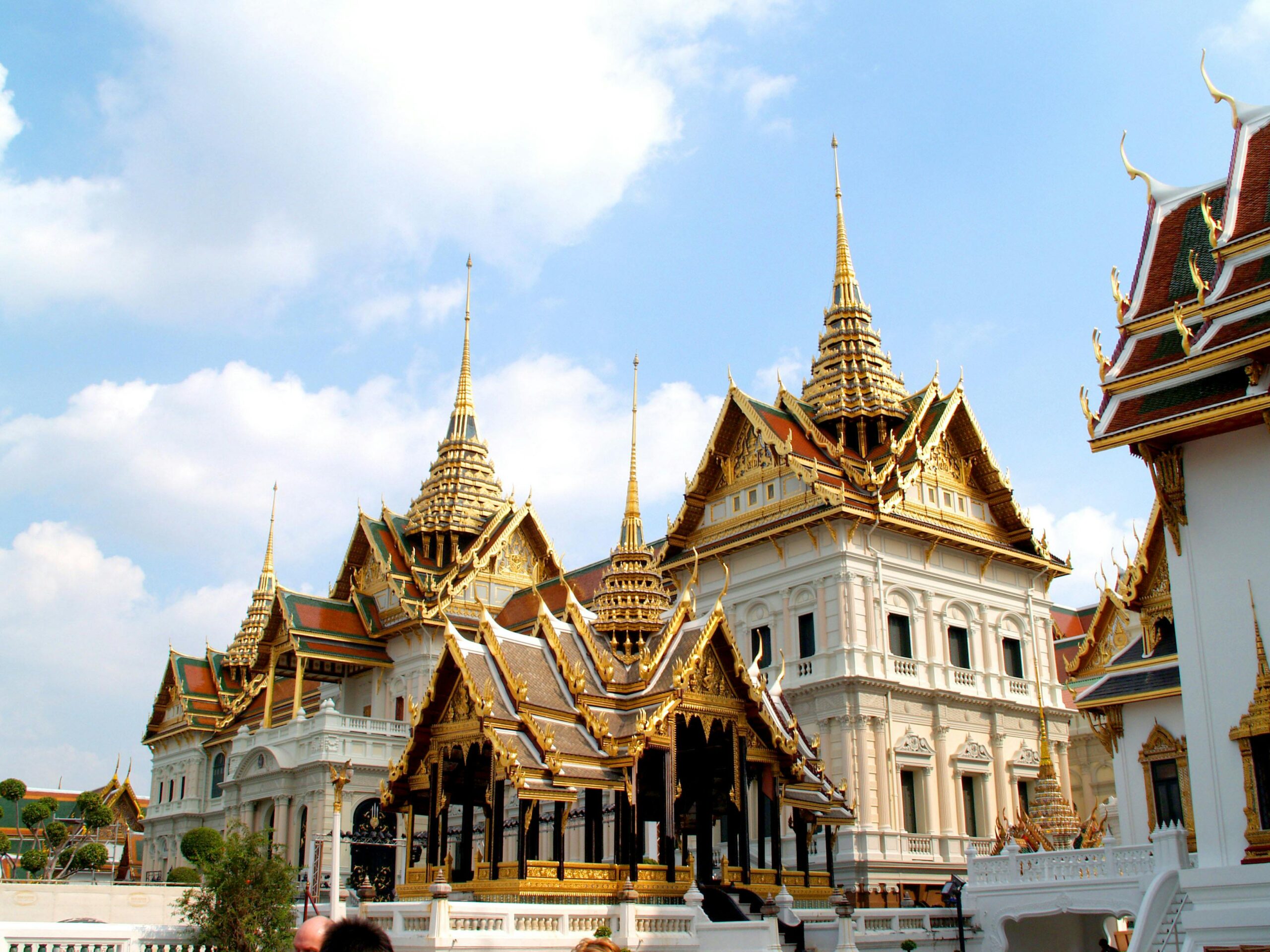
Pilgrimage has long served as a transformative spiritual practice, connecting believers across continents through sacred journeys that transcend time and culture.

Today’s pilgrims navigate a landscape where ancient traditions meet modern technology, creating opportunities for deeper spiritual experiences while addressing practical challenges. The intersection of faith, accessibility, and digital connectivity is reshaping how millions undertake these meaningful journeys, offering new pathways to sacred destinations while preserving the essential character of pilgrimage itself.
🌍 The Evolving Landscape of Modern Pilgrimage
Contemporary pilgrimage experiences blend centuries-old traditions with innovative approaches to accessibility and connectivity. Religious journeys to Santiago de Compostela, Mecca, Jerusalem, Varanasi, and countless other sacred sites now accommodate diverse needs while maintaining spiritual authenticity. This evolution reflects not a dilution of faith but rather an expansion of participation opportunities for believers worldwide.
The modern pilgrim faces unique challenges that previous generations never encountered. Climate change affects traditional routes, urbanization transforms sacred landscapes, and global connectivity creates both opportunities and expectations. Yet these same forces enable unprecedented access for elderly pilgrims, those with disabilities, and individuals from remote locations who previously could not undertake such journeys.
⚡ Seamless Flow: Removing Barriers to Sacred Movement
Creating seamless flow throughout pilgrimage journeys requires thoughtful infrastructure planning that respects both spiritual significance and practical necessity. This concept extends beyond physical pathways to encompass administrative processes, information access, and logistical coordination.
Digital Navigation and Wayfinding
Modern pilgrims increasingly rely on digital tools that provide real-time navigation, historical context, and community connection. GPS-enabled applications guide travelers along ancient routes while offering information about rest stops, medical facilities, and points of spiritual significance. These technologies serve as virtual companions, reducing anxiety about getting lost while preserving the contemplative nature of the journey.
Augmented reality applications now overlay historical information onto present-day landscapes, helping pilgrims understand the rich layers of meaning embedded in sacred sites. This technological enhancement deepens rather than diminishes the spiritual experience, providing context that might otherwise remain inaccessible to international visitors.
Streamlined Administrative Processes
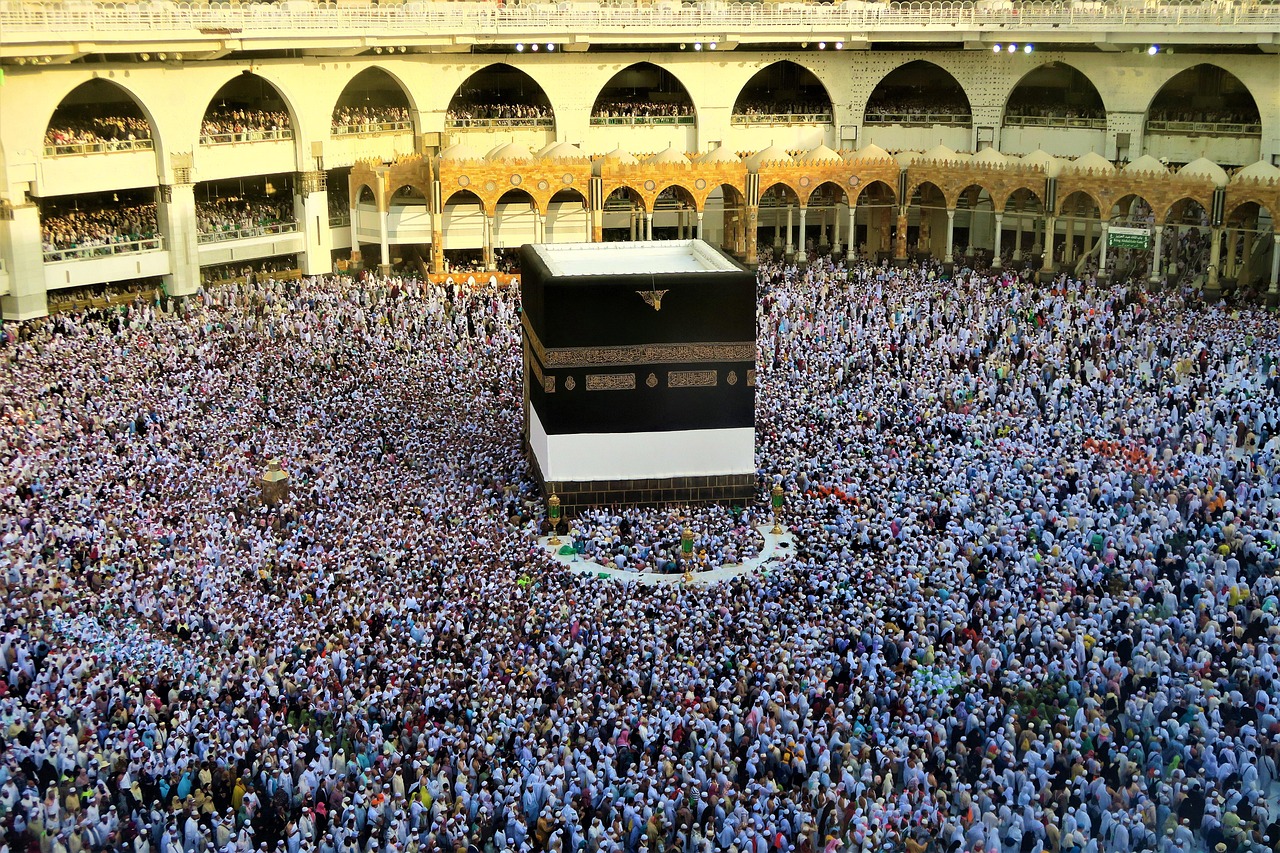
Visa requirements, registration systems, and documentation processes have traditionally complicated pilgrimage planning. Progressive authorities now implement digital platforms that simplify these procedures, reducing waiting times and administrative burdens. Saudi Arabia’s electronic Hajj permit system exemplifies this approach, processing millions of applications efficiently while maintaining security protocols.
Such systems benefit both pilgrims and host communities by distributing visitor flows more evenly, preventing overcrowding at sacred sites, and ensuring better resource allocation. The data gathered through these platforms helps authorities anticipate needs and respond proactively to potential challenges.
♿ Sustainable Access: Inclusion Without Compromise
Authentic accessibility in pilgrimage contexts means creating genuine opportunities for participation rather than superficial accommodations. This principle challenges designers and faith communities to reimagine sacred spaces in ways that honor both tradition and inclusivity.
Physical Infrastructure Innovations
Many historic pilgrimage sites were constructed centuries before accessibility considerations entered architectural thinking. Retrofitting these spaces requires sensitivity to preservation concerns alongside commitment to universal access. Successful projects demonstrate that these goals need not conflict.
The Camino de Santiago now offers alternative accessible routes that maintain spiritual authenticity while accommodating wheelchairs and mobility aids. These adaptations include improved pathway surfaces, accessible lodging facilities, and transportation options for challenging terrain sections. Such modifications enable participation without requiring individuals to compromise their physical safety or well-being.
Economic Accessibility Models
Financial barriers exclude countless potential pilgrims from undertaking sacred journeys. Progressive faith communities develop sponsorship programs, subsidized accommodations, and community support networks that make pilgrimage feasible for individuals across economic spectrums.
- Volunteer-run hospitality networks providing free accommodation along pilgrimage routes
- Sliding-scale fee structures for organized pilgrimage groups
- Micro-financing programs for pilgrimage savings
- Community fundraising initiatives supporting pilgrims from low-income backgrounds
- Work-exchange opportunities at pilgrimage destinations
These models recognize that spiritual journeys should not remain privileges of the wealthy but rather accessible expressions of faith for all believers regardless of financial circumstances.
📱 Sacred Connectivity: Digital Tools Serving Spiritual Purposes
The relationship between technology and spirituality generates ongoing debate within religious communities. However, thoughtfully implemented digital connectivity can enhance rather than detract from sacred experiences when designed with intentionality and respect for contemplative practice.
Virtual Pilgrimage Participation
Not all believers can physically undertake pilgrimage due to health limitations, family responsibilities, or political restrictions. Virtual pilgrimage platforms create meaningful alternatives, offering immersive experiences of sacred sites through high-quality video, 360-degree photography, and guided meditation.
These digital experiences serve multiple purposes: they prepare future pilgrims by familiarizing them with sites and practices; they provide spiritual nourishment for those unable to travel; and they maintain connections with sacred places between physical visits. Rather than replacing physical pilgrimage, virtual options complement and extend its reach.
Community Building Through Digital Platforms
Pilgrimage has always involved community dimension—shared experiences creating bonds between fellow travelers. Digital platforms now extend this community beyond the physical journey, connecting pilgrims before, during, and after their travels.
Online forums enable prospective pilgrims to ask questions, share concerns, and receive advice from experienced travelers. Real-time messaging services help pilgrims maintain connections with loved ones, providing both practical safety benefits and emotional support. Post-pilgrimage communities help individuals integrate their experiences into daily life, preventing the profound spiritual insights gained during travel from dissipating amid routine pressures.
🌱 Environmental Stewardship Along Sacred Routes
Sustainable pilgrimage recognizes that sacred sites exist within ecological systems requiring careful stewardship. The environmental impact of millions of annual pilgrims demands intentional management strategies that balance access with preservation.
Green Infrastructure Development
Forward-thinking pilgrimage management incorporates renewable energy, water conservation, waste reduction, and ecosystem protection into infrastructure planning. Solar panels power rest facilities along desert pilgrimage routes; rainwater harvesting systems supply water needs; composting toilets reduce environmental impact in remote locations.
These implementations model environmental responsibility, teaching pilgrims that reverence for sacred places extends to caring for the natural world that sustains them. The spiritual practice of pilgrimage thus becomes inseparable from ecological consciousness.
Carbon-Conscious Travel Options
Long-distance travel to pilgrimage destinations contributes significantly to carbon emissions. While virtual alternatives exist, many pilgrims understandably desire physical presence at sacred sites. Balanced approaches include promoting carbon offset programs, encouraging slower travel methods with lower environmental impact, and developing regional pilgrimage alternatives that reduce travel distances.
| Travel Method | Spiritual Benefits | Environmental Impact |
|---|---|---|
| Walking | Deep contemplation, physical discipline, connection to landscape | Minimal carbon footprint, potential trail erosion |
| Cycling | Extended meditation, moderate physical challenge, flexible pace | Very low emissions, minimal infrastructure impact |
| Public Transportation | Community interaction, accessibility, practical efficiency | Moderate emissions shared across users |
| Private Vehicle | Flexibility, accommodation of physical limitations | Higher per-person emissions |
| Air Travel | Access to distant sites, time efficiency | Significant carbon footprint |
🤝 Inter-faith Dialogue Through Shared Sacred Spaces
Many pilgrimage destinations hold significance across multiple faith traditions. Jerusalem draws Jews, Christians, and Muslims; India’s sacred sites attract Hindus, Buddhists, Sikhs, and Jains. These intersections create both challenges and opportunities for inter-religious understanding.
Effective management of multi-faith pilgrimage sites requires diplomacy, mutual respect, and creative scheduling that accommodates diverse ritual needs. Success stories demonstrate that shared sacred spaces can become laboratories for peace-building and cross-cultural understanding rather than flashpoints for conflict.
Educational Initiatives at Sacred Sites
Interpretive programs at pilgrimage destinations increasingly incorporate multi-faith perspectives, helping visitors understand the site’s significance across traditions. These educational efforts combat ignorance and stereotyping while fostering appreciation for religious diversity.
Guided tours led by representatives from different faith communities offer authentic perspectives that counteract simplified narratives. Such initiatives transform pilgrimage into opportunities for both spiritual deepening and inter-religious literacy.
🔒 Safety and Security in Pilgrimage Contexts
Large gatherings of pilgrims require robust safety infrastructure addressing crowd management, medical emergencies, and security threats. Tragic incidents throughout pilgrimage history underscore the life-and-death importance of effective planning.
Crowd Management Technologies
Advanced monitoring systems using sensors, cameras, and predictive algorithms help authorities prevent dangerous overcrowding. Real-time data enables dynamic crowd routing, early warning systems, and rapid emergency response. These technologies, implemented respectfully, enhance safety without creating oppressive surveillance atmospheres.
Health Infrastructure Support
Pilgrimage often involves physical exertion, exposure to unfamiliar environments, and gathering of people from diverse regions. Comprehensive health infrastructure including mobile clinics, telemedicine consultations, and evacuation protocols ensures that medical needs receive prompt attention.
Public health initiatives around major pilgrimages incorporate vaccination campaigns, disease surveillance, and hygiene education that protect both pilgrims and host communities. These measures proved especially critical during recent pandemic years, demonstrating that responsible pilgrimage requires adaptation to public health realities.
💫 Preserving Spiritual Authenticity Amid Modernization
Perhaps the greatest challenge facing contemporary pilgrimage lies in maintaining spiritual authenticity while implementing modern conveniences. Technology, infrastructure development, and commercialization threaten to transform sacred journeys into mere tourism if implemented without sensitivity to pilgrimage’s essential character.
Balancing Comfort and Challenge
Pilgrimage traditionally involves physical hardship as spiritual metaphor and practice. The journey’s difficulties serve purposes beyond mere transportation to destinations—they facilitate transformation through tested endurance and simplified living. Excessive comfort risks eliminating these transformative elements.
Thoughtful approaches provide safety and accessibility without eliminating all challenge. Options range from basic to comfortable accommodations, allowing pilgrims to choose their level of austerity. Information about traditional practices helps modern pilgrims understand and potentially adopt historical pilgrimage disciplines.
Resisting Commercialization Pressures
Economic opportunities surrounding pilgrimage create pressure toward commercialization that can corrupt spiritual atmospheres. Souvenir vendors, luxury accommodations, and entertainment complexes may serve legitimate needs but require regulation ensuring they support rather than overshadow pilgrimage’s sacred purposes.
Community-based management models that prioritize spiritual values over profit maximization offer alternatives to purely commercial development. These approaches recognize local stakeholders’ economic needs while maintaining pilgrimage sites’ essential character.
🌟 The Future of Faith-Based Travel
Emerging trends suggest pilgrimage will continue evolving in response to technological capabilities, environmental realities, and shifting spiritual needs. Younger generations approach faith differently than their predecessors, seeking authentic experiences, environmental responsibility, and social justice alignment in their spiritual practices.
Successful pilgrimage development will anticipate these evolving expectations while maintaining connection to tradition. This requires dialogue between generations, creative adaptation of practices, and willingness to distinguish essential elements from merely customary features.
Climate Adaptation Strategies
Climate change increasingly affects pilgrimage routes and destinations through extreme weather, water scarcity, and ecosystem disruption. Adaptive strategies include season shifting, alternative route development, and infrastructure resilience enhancement. Some traditional pilgrimage times may become climatically unfeasible, requiring communities to reimagine calendars that have organized religious life for centuries.
Integration of Wellness Practices
Contemporary interest in holistic wellness creates opportunities for pilgrimage to address physical, mental, and spiritual health comprehensively. Programs incorporating meditation instruction, nutritional guidance, and therapeutic practices attract participants who might not engage with purely religious frameworks while serving traditional pilgrims seeking integrated approaches to well-being.
🙏 Honoring the Sacred Journey Forward
The pathways of faith stretch backward through millennia and forward into uncertain futures. Each generation of pilgrims walks routes carved by countless predecessors while adapting practices to contemporary realities. This dynamic continuity characterizes living traditions that honor heritage without becoming imprisoned by it.
Enhancing pilgrimage through seamless flow, sustainable access, and sacred connectivity requires wisdom that balances competing values and competing needs. Technology serves but does not dominate; accessibility welcomes without diluting; connectivity enhances without distracting. These balances emerge not from rigid formulas but through ongoing discernment within faith communities.
The physical journey to sacred places mirrors interior journeys toward understanding, compassion, and transcendence. As we improve the external conditions of pilgrimage through thoughtful innovation, we create space for the internal transformations that remain pilgrimage’s ultimate purpose. The way forward honors both the pilgrim’s ancient call to sacred encounter and the modern pilgrim’s legitimate needs for safety, inclusion, and support along the journey.
Whether walking ancient paths or exploring new routes, whether traveling physically or virtually, pilgrims continue seeking connection with the sacred that transcends ordinary experience. By removing unnecessary barriers while preserving essential challenges, we ensure these transformative journeys remain available to all who hear their call, today and for generations yet to come.