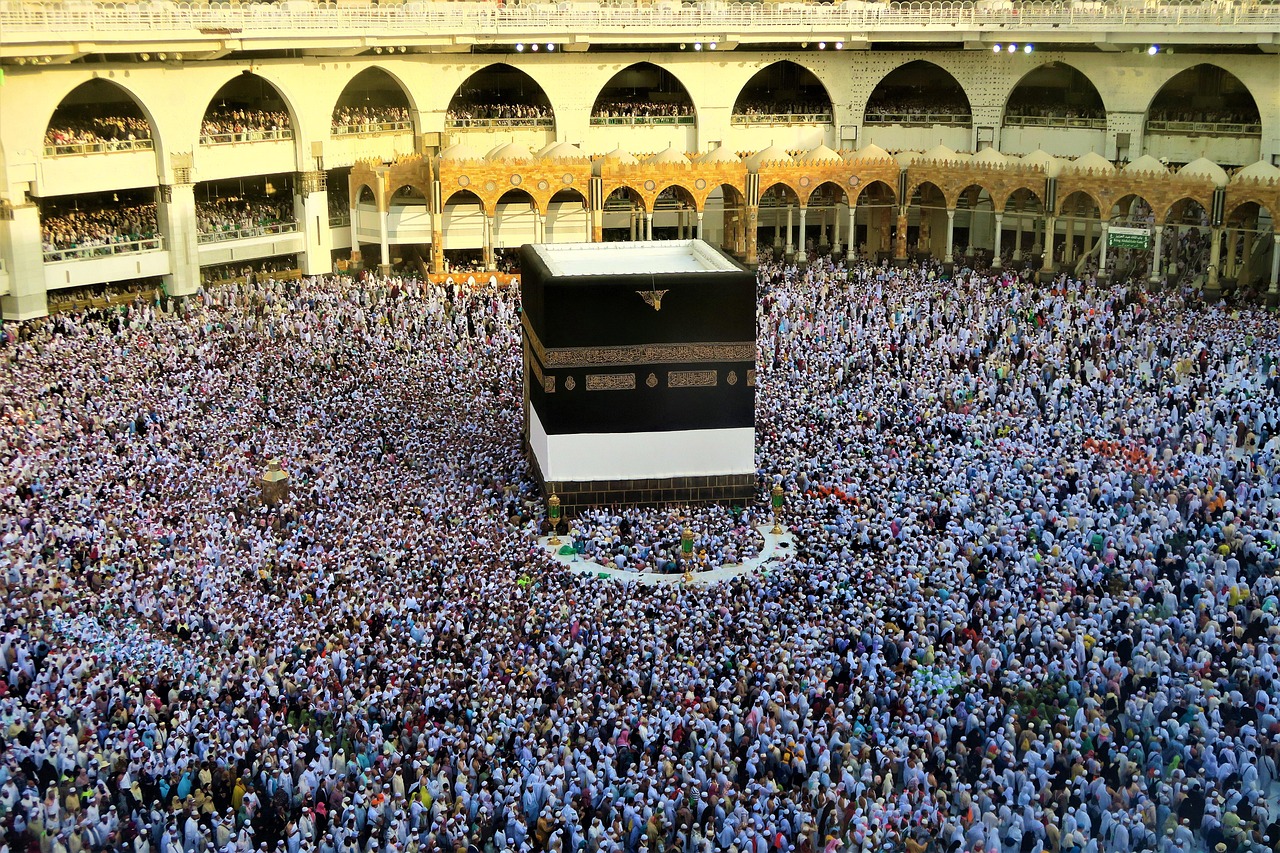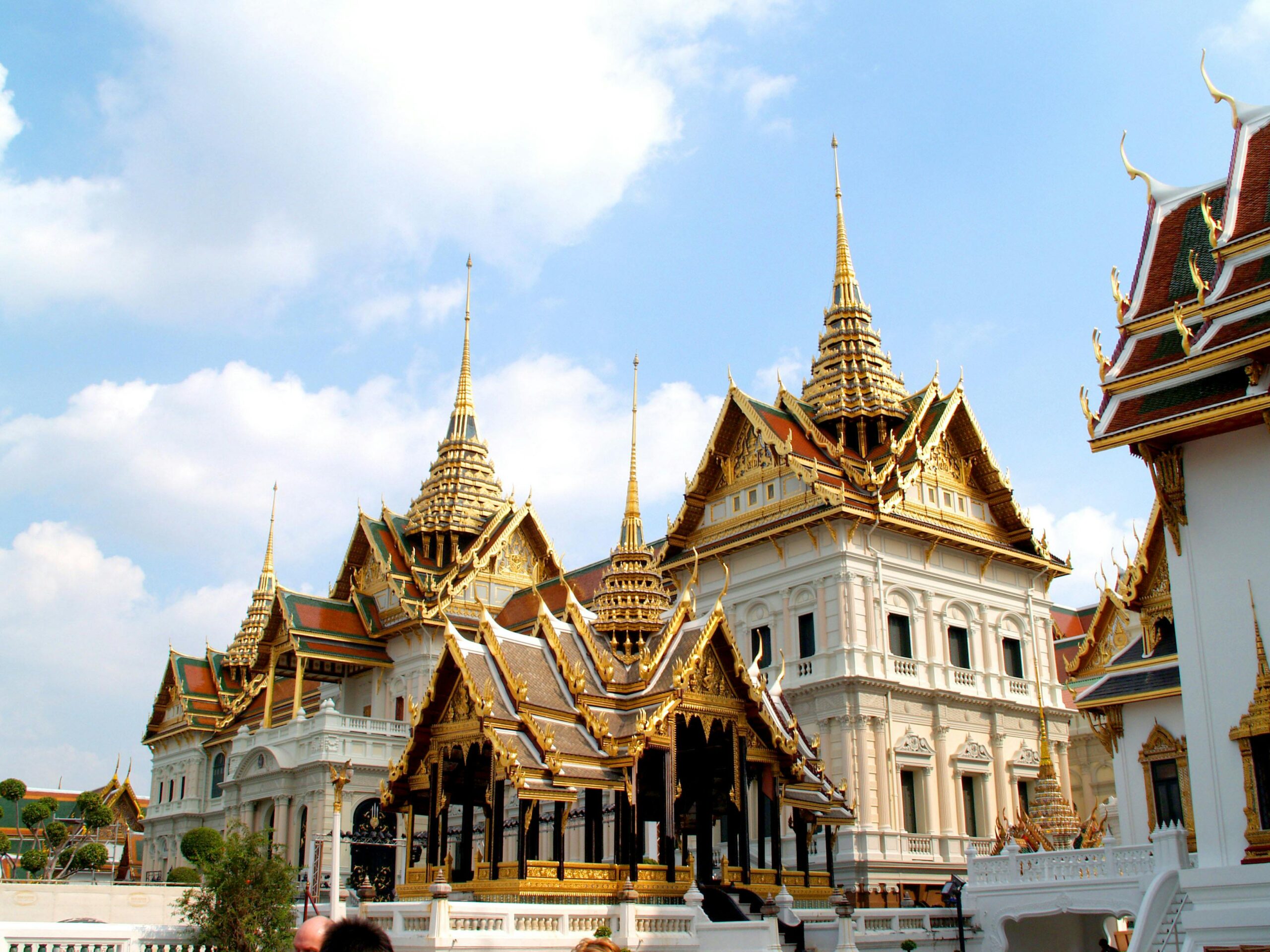
Throughout history, cities have been more than random clusters of buildings and streets. They embody patterns that resonate with universal principles, ancient wisdom, and the invisible forces that connect humanity to the cosmos itself.

From the pyramids of Giza to modern metropolises, urban planning has always carried deeper meaning. Sacred geometry, celestial alignments, and energetic grids have shaped where we live, work, and gather. Understanding these cosmic urban patterns reveals how our ancestors encoded profound knowledge into city layouts, and how these same principles continue influencing human connection, consciousness, and collective well-being in ways most people never realize.
🌟 The Ancient Foundation: Sacred Geometry in Early Civilizations
Sacred geometry represents the mathematical patterns found throughout nature and the universe. Ancient civilizations recognized these patterns and intentionally incorporated them into their urban designs, creating cities that functioned as terrestrial mirrors of celestial order.
The ancient Egyptians designed temples and cities aligned with specific stars and constellations. The three pyramids of Giza perfectly mirror the belt of Orion, demonstrating sophisticated astronomical knowledge. This wasn’t mere coincidence—it was deliberate cosmic architecture meant to anchor divine energy into earthly space.
In ancient China, the practice of Feng Shui guided urban planning for millennia. Cities were positioned according to the flow of qi (life energy), with careful attention to mountains, rivers, and cardinal directions. Beijing’s Forbidden City exemplifies this principle, with its precise north-south axis and harmonious proportions designed to balance cosmic forces.
The Golden Ratio and Urban Proportions
The golden ratio (approximately 1.618) appears repeatedly in nature—from spiral galaxies to seashells, from human DNA to flower petals. Ancient architects recognized this divine proportion and embedded it within city structures to create spaces that feel inherently harmonious to human perception.
Greek cities incorporated the golden ratio into temple dimensions, public spaces, and street layouts. The Parthenon in Athens demonstrates golden ratio proportions in its facade, creating a structure that has captivated observers for over two millennia. This mathematical harmony produces aesthetic beauty that transcends cultural boundaries and time periods.
🔮 Ley Lines and Earth Energy Grids
Beyond visible architecture lies an invisible network that esoteric researchers call ley lines—alignments of ancient sites, monuments, and natural features that allegedly mark pathways of Earth’s subtle energy. While controversial in mainstream science, the concept has influenced urban planning across cultures and centuries.
Alfred Watkins first popularized the ley line theory in 1920s Britain, observing that ancient monuments, churches, and landmarks often aligned in straight lines across the landscape. Whether these represent actual energy currents or simply practical trade routes remains debated, but their influence on settlement patterns is undeniable.
Indigenous cultures worldwide recognized power spots and energy centers long before European explorers arrived. Native American tribes identified specific locations as sacred gathering places, often where modern cities later developed. This suggests certain geographic locations possess qualities that consistently attract human settlement and spiritual significance.
Modern Cities on Ancient Power Points
Many contemporary metropolises occupy sites with deep historical and energetic significance. London sits upon numerous prehistoric settlements and sacred sites. Washington D.C. was designed by Freemasons with deliberate geometric patterns and symbolic alignments. Paris features boulevards radiating from central points, creating a star pattern visible from above.
These patterns aren’t random urban sprawl—they represent conscious design choices that connect modern infrastructure with ancient wisdom. Whether you attribute this to energy, symbolism, or practical planning, the result creates cities with distinct characters and psychological impacts on inhabitants.
🏛️ The Grid Pattern: Order, Control, and Cosmic Reflection
The grid layout represents humanity’s attempt to impose cosmic order upon earthly chaos. From ancient Roman military camps to modern American cities, the grid has symbolized rationality, efficiency, and divine order made manifest in urban space.
Manhattan’s famous grid system, established in 1811, created one of the world’s most recognizable urban patterns. While primarily practical, this layout also produces unexpected celestial events like “Manhattanhenge,” when the setting sun aligns perfectly with the street grid, creating a modern Stonehenge effect in the urban canyon.
The grid connects to fundamental geometric principles found throughout the cosmos. Crystalline structures, atomic arrangements, and even spacetime itself exhibit grid-like patterns at various scales. By organizing cities in grids, planners unconsciously mirror universal organizing principles.
Breaking the Grid: Organic Urban Patterns
Not all cities embrace rigid grids. Medieval European cities grew organically, following terrain contours and evolving needs. These winding streets and irregular plazas create different psychological and social effects compared to grid-based cities.
Research suggests organic layouts encourage more pedestrian interaction, slower movement, and intimate community spaces. The unpredictability stimulates curiosity and exploration. In contrast, grids facilitate navigation, commerce, and large-scale planning but may reduce spontaneous social encounters.
✨ Sacred Centers and Urban Mandalas
Many cities feature central points from which everything else radiates—a symbolic heart connecting the community to cosmic principles. This mandala-like structure appears across cultures, suggesting archetypal human patterns in organizing space and society.
Buddhist cosmology depicts the universe as a mandala with Mount Meru at its center. Ancient Khmer cities like Angkor replicated this pattern, positioning temple-mountains as cosmic axes connecting earth to heaven. Residents experienced their city as a living representation of universal order.
European city centers traditionally featured cathedrals or civic squares serving similar functions—physical and symbolic gathering points where community and cosmos intersected. Modern cities often lack such clear centers, potentially contributing to feelings of disconnection and alienation.
Creating Contemporary Sacred Centers
Urban planners increasingly recognize the psychological importance of meaningful central spaces. Parks, cultural centers, and mixed-use plazas attempt to recreate the sacred center concept in secular contexts, providing gathering points that foster community identity and connection.
Times Square, Trafalgar Square, and similar iconic locations function as modern sacred centers—not through religious significance but through collective recognition as symbolic hearts of their cities. The energy, attention, and intention focused on these spaces imbue them with special significance.
🌍 Cosmic Alignments in Modern Architecture
Contemporary architects continue incorporating celestial alignments and sacred geometry, sometimes explicitly and sometimes intuitively. These choices create buildings and spaces that resonate with natural rhythms and universal patterns.
The Sydney Opera House, beyond its practical function, embodies geometric shells found in nature. Its curves reflect the golden ratio and nautical themes appropriate to its harbor location. Visitors report feeling uplifted and inspired—responses potentially linked to its harmonious proportions.
Modern sustainable architecture increasingly considers solar angles, seasonal changes, and natural energy flows—principles ancient builders understood intuitively. Green building practices reconnect contemporary construction with cosmic cycles and environmental harmony.
Solstice Alignments and Urban Astronomy
Several modern structures incorporate solar alignments. The United Nations building in New York features meditation room lighting designed to capture equinox sunlight. Brasília, the planned capital of Brazil, aligns major boulevards with cardinal directions and astronomical events.
These conscious alignments connect daily urban life with cosmic cycles, reminding inhabitants of their place within larger universal patterns. Such connections, even when unrecognized consciously, may influence mood, behavior, and collective consciousness in subtle but significant ways.
🧘 Human Connection Through Urban Sacred Geometry
The ultimate purpose of cosmic urban design transcends aesthetics or symbolism—it aims to enhance human connection, well-being, and spiritual awareness. Cities designed with sacred principles create environments that support rather than hinder human flourishing.
Psychological research demonstrates that geometric harmony, natural proportions, and meaningful patterns reduce stress and increase positive emotions. Spaces incorporating sacred geometry may activate deep, unconscious recognition of universal patterns, producing feelings of rightness and belonging.
Community cohesion strengthens in cities featuring clear centers, human-scale proportions, and symbolic alignments. These design elements create shared reference points and common experiences that bind diverse populations into unified communities.
The Isolation of Disconnected Urban Spaces
Modern cities developed without consideration for sacred geometry often produce alienation and disconnection. Sprawling suburbs, isolated high-rises, and car-dependent infrastructure fragment communities and separate humans from natural rhythms and each other.
This disconnection manifests as increased mental health challenges, social isolation, and loss of community identity. When urban spaces fail to resonate with universal patterns and human needs, inhabitants suffer psychological and spiritual consequences.
🔑 Unlocking the Mysteries: Practical Applications
Understanding cosmic urban grids isn’t merely academic—it offers practical tools for creating healthier, more connected communities. Urban planners, architects, and citizens can apply these principles to transform existing spaces and design new developments.
Simple interventions can make significant differences. Creating clear pedestrian pathways that encourage walking and social interaction. Designing public spaces with harmonious proportions and natural materials. Orienting buildings to maximize natural light according to solar cycles. These applications don’t require mystical belief—they work through established psychological and environmental principles.
Personal Practice in Urban Environments
Individuals can engage with cosmic urban patterns through conscious awareness and personal practice. Notice which city areas feel energizing versus draining. Observe architectural proportions and their emotional effects. Seek out parks and green spaces that reconnect you with natural patterns.
Walking meditation along city streets transforms mundane commuting into sacred practice. Recognizing geometric patterns in buildings and infrastructure reveals hidden order within apparent chaos. These practices cultivate mindfulness and deepen connection to your urban environment.
🌈 The Future: Conscious Urban Design
Emerging urban planning movements increasingly incorporate ancient wisdom and holistic principles. The New Urbanism movement emphasizes walkable neighborhoods, mixed-use development, and human-scale architecture—principles that align with traditional sacred city concepts.
Biophilic design integrates natural patterns, materials, and living systems into urban spaces. This approach recognizes that humans evolved in natural environments and thrive when cities incorporate natural elements and patterns, including the sacred geometry found throughout nature.
Smart city technology offers opportunities to enhance these principles. Real-time data about energy flows, pedestrian movement, and community interaction could inform adaptive urban designs that respond to actual patterns of human behavior and environmental conditions.
Healing Cities Through Sacred Principles
Cities damaged by industrial development, war, or neglect can be healed through conscious application of sacred geometry and cosmic alignment. Restoration projects that honor historical patterns while incorporating modern sustainability create spaces that connect past, present, and future.
Community participation in urban design ensures developments reflect collective needs and values. When residents contribute to shaping their environment according to meaningful principles, ownership and connection deepen, transforming neighborhoods into true communities.

💫 Embracing the Sacred in Everyday Spaces
The cosmic urban grid isn’t separate from daily life—it’s the invisible framework within which we live, work, and connect. Recognizing this framework transforms ordinary city streets into sacred landscapes rich with meaning and potential.
Every building, park, and plaza represents an opportunity to embody universal principles or to ignore them. Choices about urban design ultimately reflect choices about what kind of society we want to create and how we understand our place in the cosmos.
By unlocking the mysteries of cosmic urban grids, we reconnect with ancient wisdom while building futures that honor both human needs and universal patterns. This integration of timeless principles with contemporary challenges offers pathways toward cities that truly serve human flourishing, community connection, and cosmic harmony.
The sacred geometry shaping cities isn’t mysterious in the sense of being unknowable—it’s mysterious because we’ve forgotten to look for it. Once recognized, these patterns reveal themselves everywhere, offering guidance for creating urban environments that nurture body, mind, and spirit while connecting us more deeply to each other and the living cosmos we inhabit together.